
Understanding the psychological triggers behind gambling behavior in casinos
The Allure of Casinos: An Introduction
Gambling behavior is deeply intertwined with psychological triggers that compel individuals to engage in games of chance. At the heart of casino allure is a combination of excitement, social interaction, and the thrill of winning. Many people are drawn to the vibrant atmosphere, where flashing lights and enticing sounds create an environment conducive to risk-taking. This setting not only captivates the senses but also invokes a sense of escapism, where individuals can momentarily forget their daily lives. For those looking to explore unique online options, exitewin casino offers a remarkable experience tailored to diverse tastes.
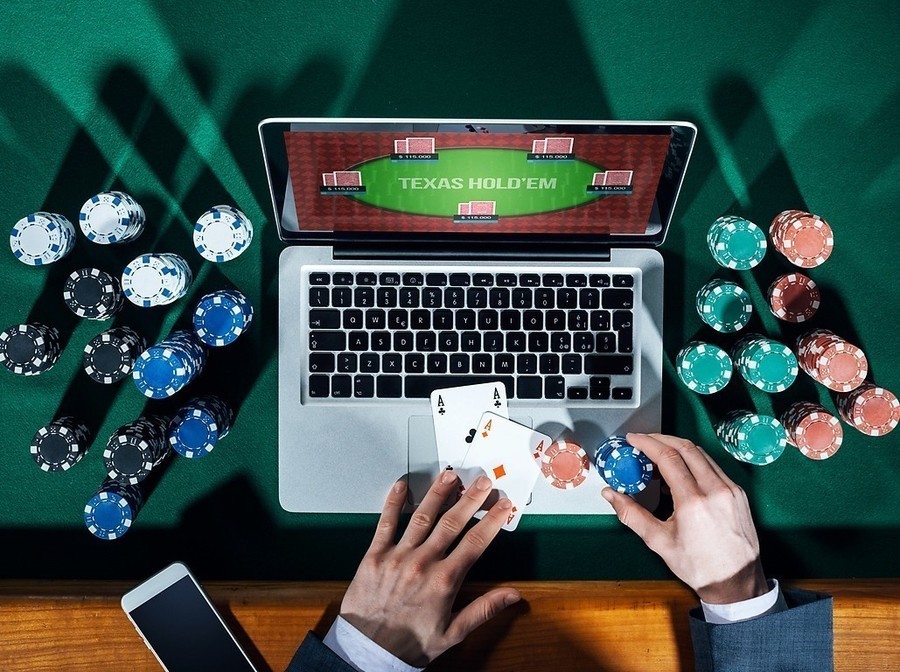
The psychological thrill of gambling often stems from a desire for instant gratification. Players are frequently lured by the possibility of significant financial gain in a short period. This potential for reward can override logical reasoning, leading individuals to overlook the inherent risks. Moreover, the immediate feedback provided by games creates a dopamine rush, reinforcing the behavior and fostering a cycle of repeated engagement.
Understanding these psychological factors is crucial for both players and casino operators. For players, awareness of triggers can lead to more responsible gambling behavior, helping them identify when they might be acting impulsively. For casino operators, leveraging these psychological principles can enhance the gaming experience while promoting responsible gaming practices.
The Role of Cognitive Biases
Cognitive biases play a significant role in gambling behavior, affecting decision-making and risk assessment. One prevalent bias is the “gamblers’ fallacy,” where individuals believe that past outcomes influence future results, despite the inherent randomness of games. For example, a player might think that a slot machine is “due” for a win after a series of losses, prompting them to continue playing in hopes of a payoff that may never materialize.
Another key cognitive bias is the illusion of control, where gamblers believe they can influence outcomes through their actions or strategies. This belief can lead players to engage in superstitious behaviors, such as wearing specific clothing or performing rituals before betting. These rituals may provide a false sense of security, further perpetuating the cycle of gambling despite the lack of actual control over game outcomes.
Awareness of these biases can help gamblers make more informed decisions, potentially reducing impulsive behavior and encouraging a more mindful approach to gambling. By understanding how cognitive distortions can impact their choices, players can better manage their expectations and reduce the likelihood of developing problematic gambling habits.
The Emotional Connection to Gambling
Gambling is often tied to complex emotional experiences, ranging from excitement to anxiety. The highs of winning can lead to euphoric feelings, reinforcing the desire to chase that high again. Conversely, losses can evoke frustration and sadness, creating a cycle where players might gamble more to recover lost funds, often referred to as “chasing losses.” This emotional rollercoaster can create a strong attachment to gambling, making it challenging to step away.
Furthermore, casinos are designed to manipulate emotions, offering a stimulating environment that encourages prolonged engagement. The constant flow of wins and losses, combined with the social atmosphere, enhances the emotional stakes. Players might find camaraderie with others at the tables, further deepening their connection to the gaming experience.
Recognizing these emotional triggers is essential for responsible gambling. By understanding how emotions influence their behavior, players can develop strategies to cope with the highs and lows of gambling, ensuring that it remains a form of entertainment rather than a source of distress.
Social Influences on Gambling Behavior
The social context of gambling significantly impacts behavior and decision-making. Many individuals enjoy gambling as a social activity, where group dynamics can enhance the overall experience. This aspect of gambling can lead to increased risk-taking, as players feel more compelled to participate in actions that may not align with their usual behavior when they are in a group setting.
Peer pressure can also play a pivotal role in shaping gambling habits. Individuals may feel obligated to bet more or take risks to fit in or impress others. This social influence can exacerbate problem gambling behaviors, as players might prioritize social acceptance over personal well-being. Casinos often capitalize on this social aspect, creating environments where group interactions are celebrated and encouraged.
By understanding the social dynamics at play, gamblers can develop a healthier relationship with their gambling habits. Being aware of the influence of peers can empower individuals to set boundaries, ensuring that their choices align with their personal values and financial goals rather than being swayed by group pressure.

Promoting Responsible Gambling in Modern Casinos
In light of the psychological triggers behind gambling behavior, many casinos are taking proactive steps to promote responsible gaming. By implementing features such as deposit limits, session time reminders, and self-exclusion programs, casinos aim to create a safer environment for players. These tools empower individuals to take control of their gambling activities and establish healthy limits.
Moreover, educational campaigns are becoming increasingly common, highlighting the importance of awareness regarding the psychological aspects of gambling. By providing resources and support, casinos can foster a culture of responsible gambling that prioritizes player safety. This approach not only benefits individuals but also enhances the casino’s reputation as a responsible gaming establishment.
As the gambling landscape evolves, the integration of technology is also playing a role in promoting responsible gaming. Online platforms can offer tailored experiences that encourage players to reflect on their gambling habits, integrating features that remind them to take breaks or assess their gaming behavior. These innovations can lead to a more enjoyable and sustainable gambling experience for everyone.